


CFD Analysis
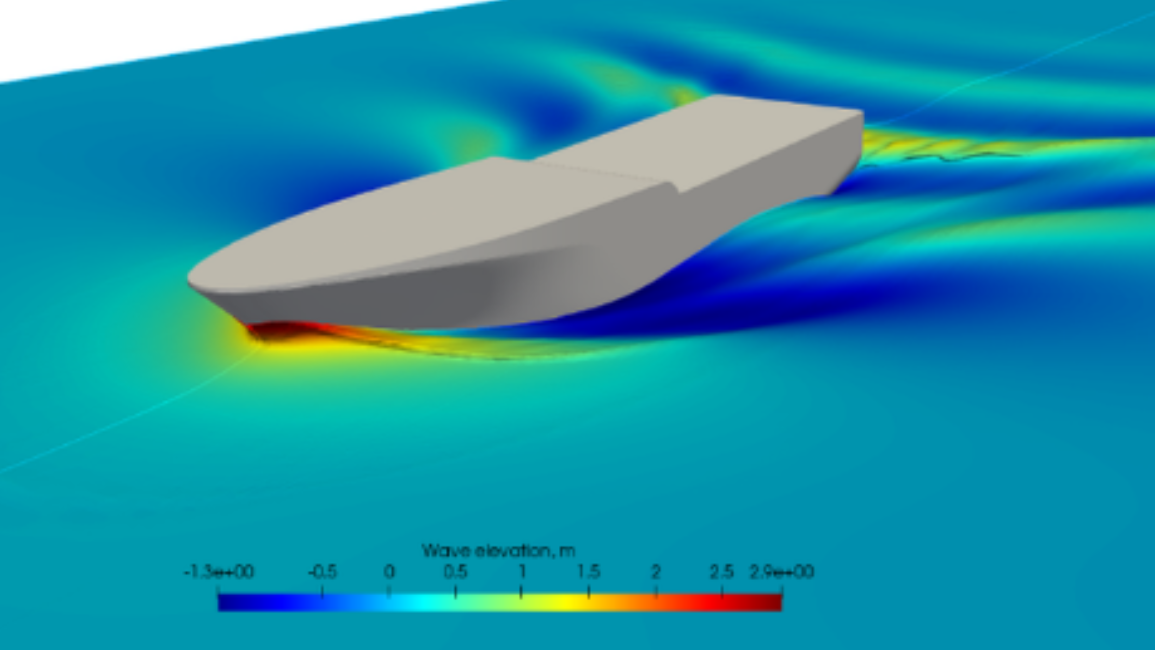
Computational Fluid Dynamics (CFD) is a numerical simulation technique used to analyze and predict fluid flow behavior in various engineering applications.
By dividing the fluid domain into small computational cells, CFD solves governing equations of fluid flow and heat transfer to provide insights into flow patterns, velocities, pressures, and temperature distributions. CFD finds applications in aerodynamics, hydrodynamics, heat transfer, combustion, and more, enabling engineers to optimize designs, improve performance, and mitigate risks in diverse industries such as aerospace, automotive, energy, and environmental engineering.
Optio Marine expert engineers are proficient in analyzing the impact of external focus on static structures, such as construction components, machine components, and more. Our highly skilled engineers offer structural analysis services to ensure that these modules meet fatigue safety requirements.
We Can Offer Following Types Of Solutions:
At Optio Marine, we offer advanced CFD services to support all stages of vessel operation, ensuring performance and efficiency throughout the maritime lifecycle.
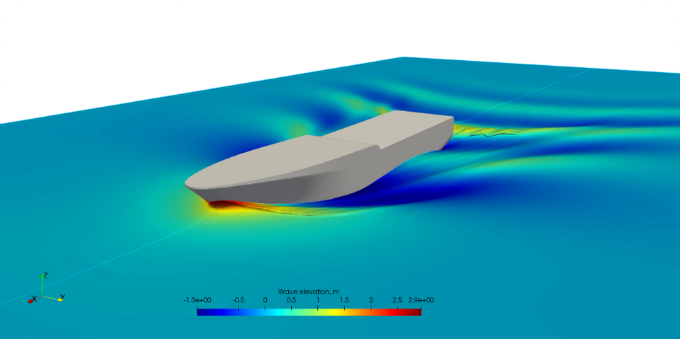 Ship design CFD involves analyzing the resistance of vessels by simulating
fluid flow around the hull. This analysis helps in understanding the
hydrodynamic forces acting on the ship, guiding designers in optimizing hull
shapes to minimize resistance and improve fuel efficiency.
Ship design CFD involves analyzing the resistance of vessels by simulating
fluid flow around the hull. This analysis helps in understanding the
hydrodynamic forces acting on the ship, guiding designers in optimizing hull
shapes to minimize resistance and improve fuel efficiency.
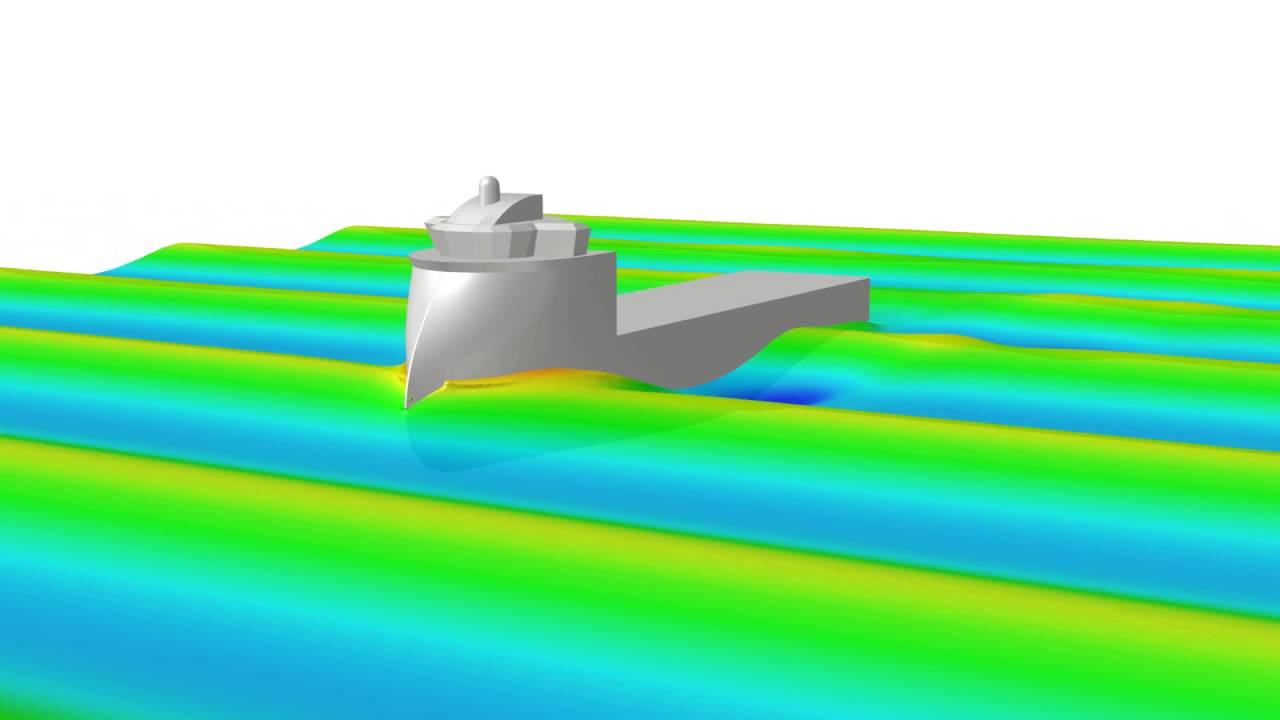 Ship design CFD involves analyzing the hydrodynamic behavior of vessels by
simulating fluid flow around the hull and appendages. This analysis helps in
understanding resistance, propulsion efficiency, and maneuverability,
leading to optimized hull shapes and propulsion systems.
Ship design CFD involves analyzing the hydrodynamic behavior of vessels by
simulating fluid flow around the hull and appendages. This analysis helps in
understanding resistance, propulsion efficiency, and maneuverability,
leading to optimized hull shapes and propulsion systems.
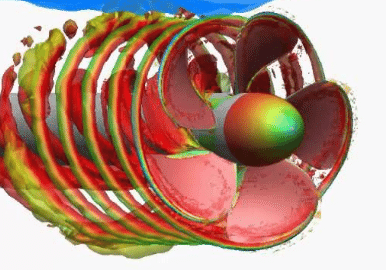 Our
CFD is used to evaluate the performance of ship propellers by simulating
fluid flow through the propeller blades. This analysis helps in optimizing
propeller design, pitch, and configuration to achieve efficient propulsion
and minimize cavitation.
Our
CFD is used to evaluate the performance of ship propellers by simulating
fluid flow through the propeller blades. This analysis helps in optimizing
propeller design, pitch, and configuration to achieve efficient propulsion
and minimize cavitation.
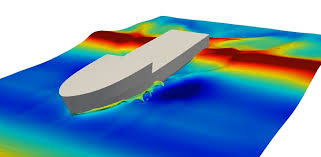 CFD assesses the impact of waves, wind, and currents on ship behavior to
enhance seakeeping capabilities. By simulating vessel motions and responses
in different sea states, designers can improve comfort, safety, and
stability.
CFD assesses the impact of waves, wind, and currents on ship behavior to
enhance seakeeping capabilities. By simulating vessel motions and responses
in different sea states, designers can improve comfort, safety, and
stability.
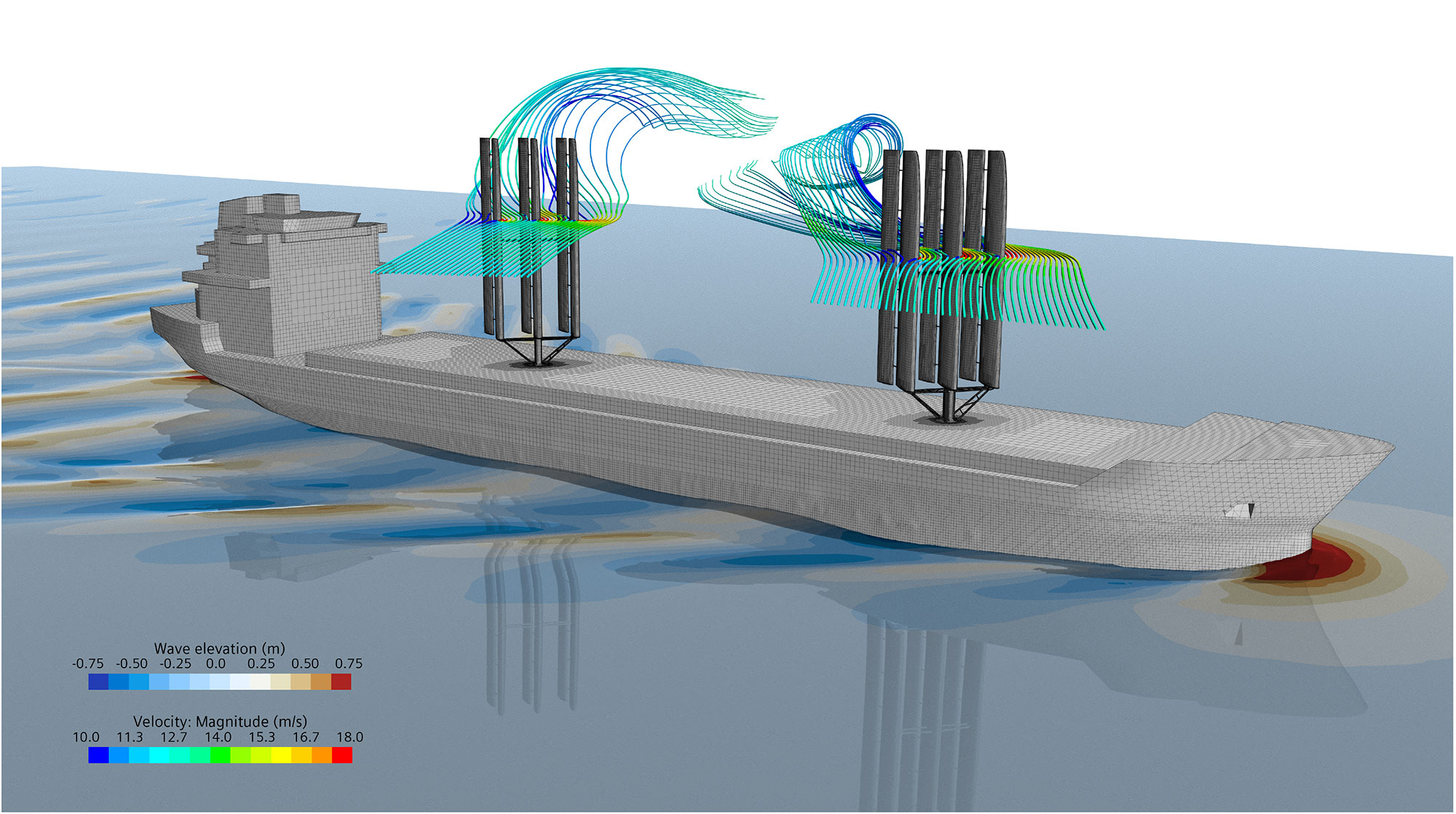 By simulating ship operations in various conditions, CFD guides design
decisions to optimize fuel consumption, reduce emissions, and enhance
overall operational efficiency while ensuring compliance with safety
standards and regulations.
By simulating ship operations in various conditions, CFD guides design
decisions to optimize fuel consumption, reduce emissions, and enhance
overall operational efficiency while ensuring compliance with safety
standards and regulations.
If you have any questions regarding our services, please contact us or call at 800 1234 5677.